




Explore related types
Laptop
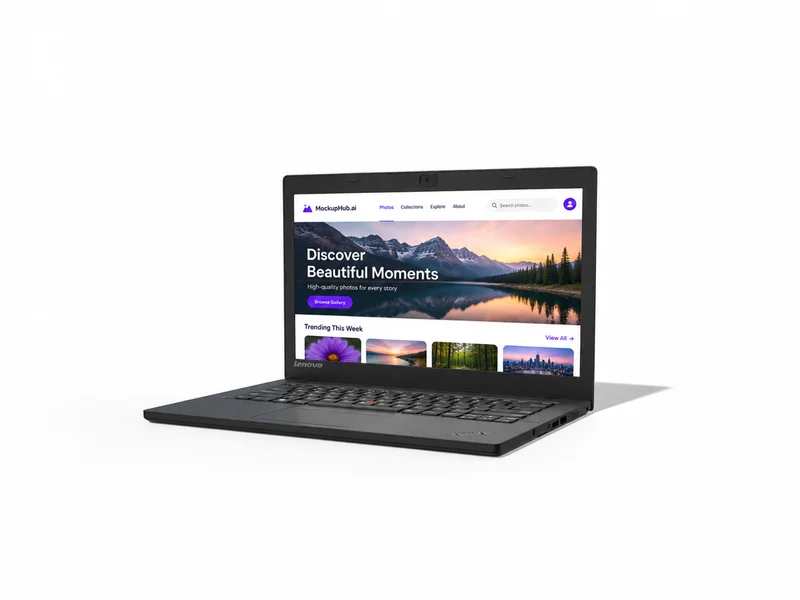
Compare the MacBook Pro and ThinkPad screen frames. Keep the interface proportionate to each selected display.
Explore laptopMobile
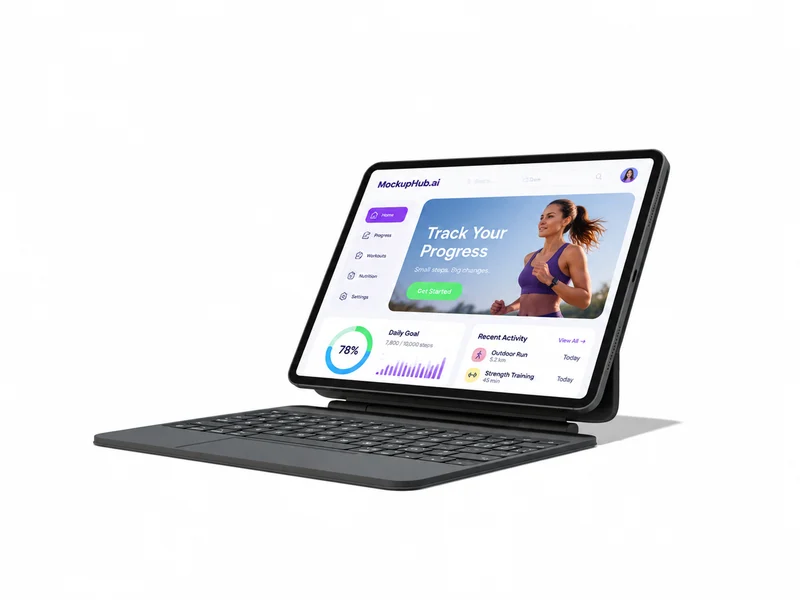
Review the iPhone X and keyboard-equipped iPad Pro. Use distinct phone and tablet screenshots rather than stretching one layout.
Explore mobileDesktop
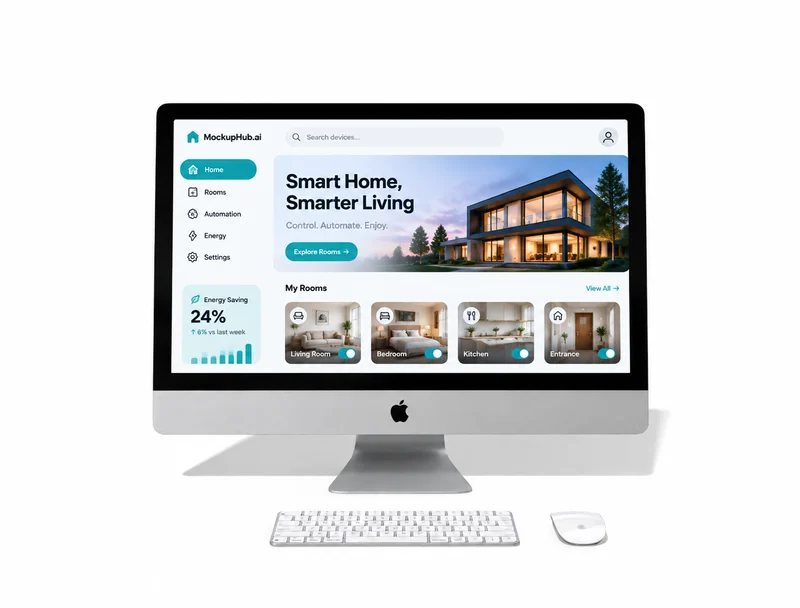
Use the current 27-inch iMac shape for a desktop presentation. Match the screenshot to the wide display before choosing an angle.
Explore desktopWearable
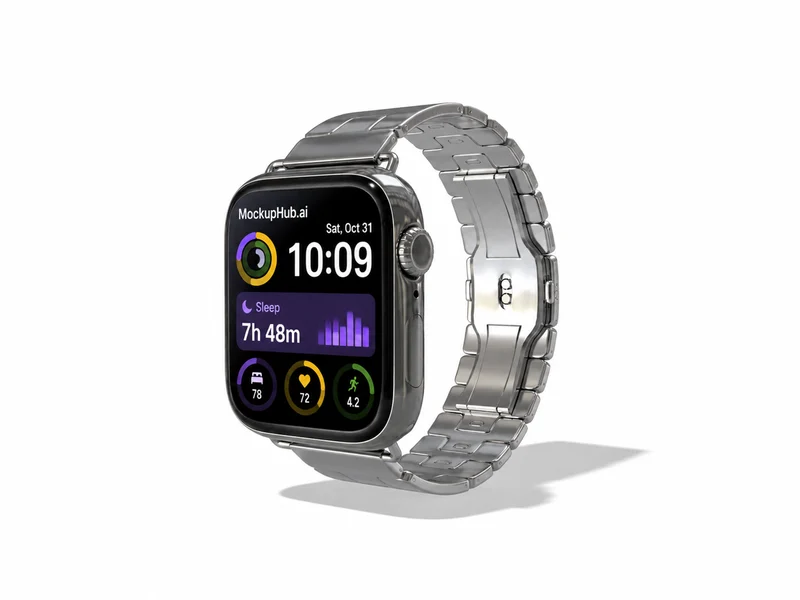
Place a watch interface in an Apple Watch shape. Check small text and the screen’s rounded boundary.
Explore wearableHow to choose a device mockup
Match the screen proportions
Choose a device mockup by its screen ratio and visible corners. A desktop dashboard, phone layout and watch face need different screenshots and padding. Match the source capture to the selected display before choosing a presentation angle.
Keep important headings away from cutouts and rounded edges. Inspect a near-front view for cropping, then rotate to check how much of the interface remains readable in the final composition.
Prepare a clean screenshot
Inspect the screenshot’s background, margins and type before uploading. Remove unintended browser bars or blank padding in the source so the screen fills its artwork region correctly. Keep the interface proportions intact when comparing devices.
These templates offer screen artwork without separate hardware material or case-color controls. Focus the review on the uploaded content, checking small labels at the final portfolio or product-card size.
Choose a readable presentation view
Keep a readable front view alongside an angled image. The first explains the interface; the second gives it device context. Leave enough hardware visible to identify the product without shrinking the main task or heading too far.
Use matching interface states when comparing layouts, then check the reduced export where it will appear. Test interactions and accessibility in the actual application, using the original interface files for implementation.
Export formats and image dimensions
Use 2K (2048-pixel long edge) for interface presentations, 4K (4096) for larger presentations and 8K (8192) for detailed crops. The other dimension follows your aspect ratio. Start with a sharp upload.
Choose PNG for transparency or crisp edges; JPG for smaller opaque images. Check small text again after resizing or cropping. Check web pixel requirements or the printer’s PPI for printed presentations. Your device mockup is a presentation image. Keep original interface files for development and interaction tests.
Common uses for this collection
Present a desktop dashboard inside a recognizable monitor.
Compare a laptop landing-page image with a closer interface crop.
Show a mobile app screen beside a tablet layout.
Review a watch interface at a recognizable wearable scale.
Prepare a product-launch slide with a transparent device cutout.
Frequently asked questions
Which device mockup fits my project?
Choose the desktop, laptop, mobile or watch frame that matches the interface you want to show. Capture a screenshot for that screen’s proportions and check corners or camera cutouts before choosing an angled presentation view.
What can I edit in a device mockup?
Upload your interface image to the screen artwork area. These device templates do not offer hardware material or separate case-color controls; prepare the screen background, text and icons in your source image.
Why is my screenshot clipped in a screen mockup?
Compare the capture proportions with the selected display and remove unintended blank margins in the source. Inspect the corners and cutouts in a front view before choosing a presentation angle.
How do I keep text readable in a 3D device mockup?
Give the screen enough room in the composition and check it at the final slide or portfolio size. Use a nearer front angle or a close detail image when the hardware makes interface labels too small.
How do I compare interface states in a digital product mockup?
Keep the device, camera and crop fixed while changing the uploaded screen design. Compare the same task or page region so differences in framing do not distract from the interface decision.
Why does text look small in the exported device image?
The screen may occupy too little of the composition, or the source screenshot may already be small. Check the final page or slide size, then use a clearer angle or closer crop and start with a sharp capture.
Preview device mockups with your own artwork and compare the result from a readable angle. Choose a matching template to start your design.